Future Proofing Food & Drink: Key Consumer Predictions for 2027 by Mintel
Written by Elena Orsi-Cunningham, one of Chilli’s Account Managers with an FMCG design passion.
As people's lifestyles change, and the cost of living and cultural shifts continue to shape everyday life, the food and drink industry is entering a new era.
According to Mintel's 2027 Food & Drink Predictions, success will no longer come from simply targeting people by age or putting products into fixed categories. Instead, brands need to understand how people's needs change throughout the day, how different generations live together, and why consumers are looking for energy that lasts and fits easily into their busy lives.
Mintel calls this big shift 'Products to Systems', and it's changing how brands build trust, stay relevant and grow.
Let's take a closer look at what this means and how food and drink brands can make the most of these changes.
A new way of understanding consumers: It's about everyday life, not just age
Traditional ways of grouping consumers, such as "women aged 25–34", don't always tell us much about what people actually buy or need.
Real life is constantly changing, and so are our eating habits. What we choose often depends more on how we're feeling, what we're doing or how much energy we have at that moment than on our age.
Think about that 3pm moment on a busy workday. You might need something quick, filling and energising.
What you need at that moment could be very different from what you want at the weekend.
To stay relevant, brands need to think about how their products fit into people's everyday lives:
What problem does this product solve for someone during their day?
How does it fit into their real life routines, even when things get a little messy?
The more brands understand these everyday moments, the better they can create products that people genuinely need.
Getting more for your money: Healthy food on a budget
With the cost of living still putting pressure on household budgets, people are becoming more careful about how they spend their money. But that doesn't mean they're simply buying cheaper products.
They're making smarter choices and looking for ways to save without giving up on their health.
Take everyday ingredients like lentils, beans and chickpeas. More people are using them to bulk up soups, stews and sauces. They're affordable, nutritious and help make meals go further without compromising on quality.
But saving money isn't the only thing that matters. People still want to enjoy what they eat and drink. Healthy living shouldn't feel like a chore.
We can see this happening in the alcohol category too. Rather than choosing between drinking and not drinking at all, people are finding ways to enjoy alcohol more mindfully.
A great example is the collaboration between Dash Water and La Vieille Ferme Rosé. Their lighter spritz offers a way to enjoy a social occasion while drinking less and feeling better the next morning.
It's a good reminder that brands don't always need to ask consumers to give something up. Sometimes, they can offer a better way to enjoy it.
More generations living together, more needs to meet
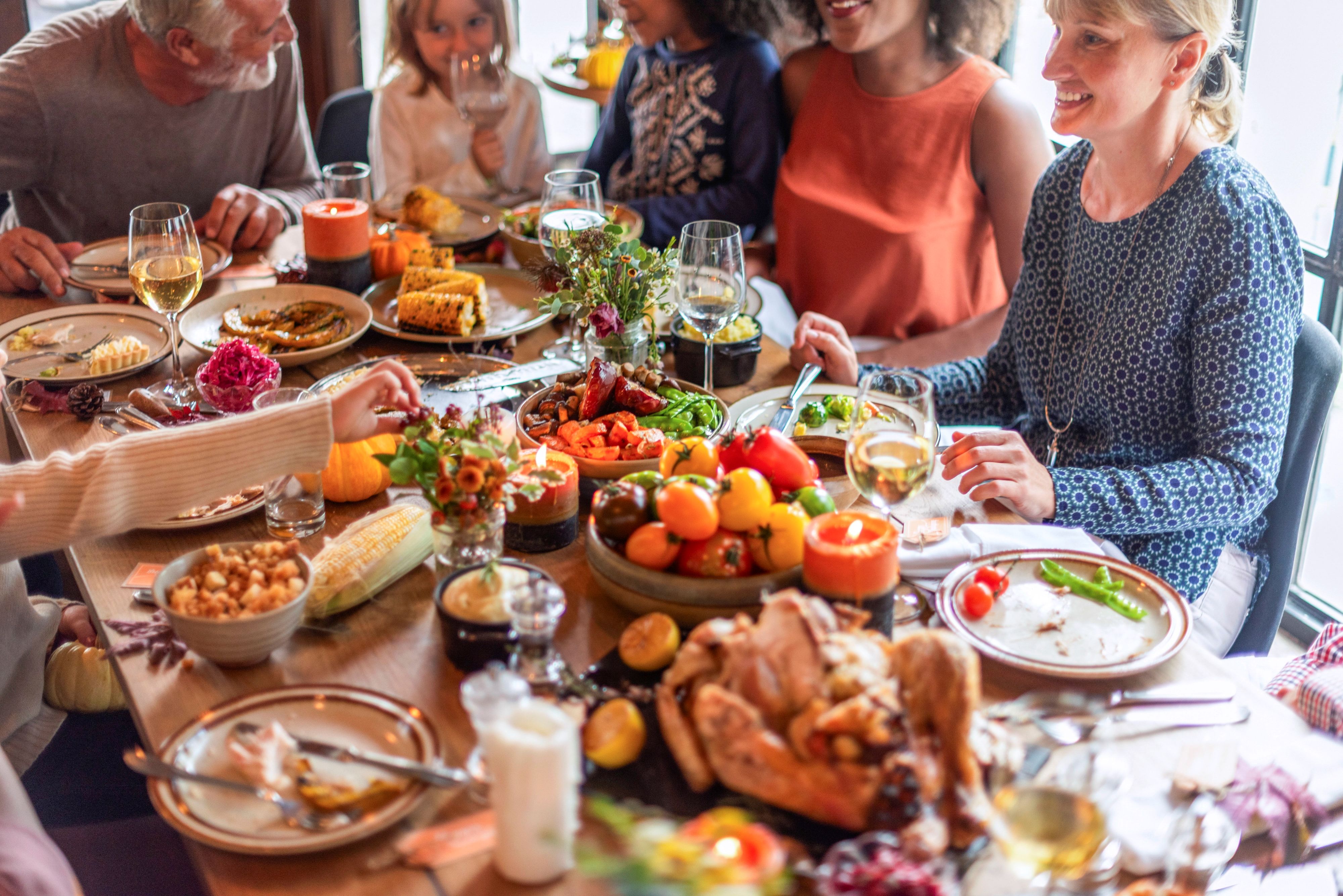
Rising living costs and changing family structures mean that more generations are sharing a home for longer
This creates an interesting challenge for food and drink brands. People may live under the same roof, but they don't necessarily eat the same way or want the same things.
Two different behaviours are becoming more noticeable:
Making time for yourself: In a busy household, people still want a little time to themselves. This creates opportunities for easy, mess-free, single-serve snacks and quick mini-meals that can be enjoyed whenever someone needs a moment alone.
Eating differently, but together: Families may sit around the same dinner table, but everyone can have different dietary needs. Younger family members might be looking for plant-based or high-protein options, while older relatives may have different nutritional priorities.
The opportunity for brands is to make family meals easier to share, while giving everyone the flexibility to choose what works for them.
Keeping energy levels up and making nutrition work harder
With busy schedules and a growing interest in looking after our health, people are increasingly looking for ways to keep their energy levels steady throughout the day.
But they don't necessarily want to understand all the science behind it. They want products that work, and they want to understand why.
Instead of talking about complicated things like blood sugar spikes and technical health markers, brands can keep the message simple: helping people feel energised throughout the day, without that familiar afternoon slump.
We're also seeing a shift in how products are developed. Rather than focusing on one standout ingredient, brands are looking at how different ingredients can work better together.
For example, vitamin C helps the body absorb iron. When nutrients work together, they can offer more value than when they're used alone.
Products designed around these combinations can give consumers a clear reason to choose them, and help justify their place in the shopping basket.
Three strategic takeaways for food & drink leaders
Looking ahead to 2027 and beyond, here are three things brands should be thinking about:
- Design for real life, not just categories. Create products that fit into people's everyday routines, needs and feelings, rather than relying on traditional ways of grouping consumers by age or lifestyle.
- Think about the bigger picture, not just individual products. A product on its own can easily be replaced. But when it becomes part of someone's daily routine, wellness journey or social occasion, it has a better chance of building lasting loyalty.
- Build trust by being honest and human. With so much advice online, confusing health claims and information coming from every direction, people are turning back to real people. Being honest about labels, where products come from and how we talk about them helps build strong, lasting brands.
Here at Chilli we help FMCG brands turn emerging shifts into clear, creative and commercial innovation. If you’re looking to future proof your portfolio, get in touch, we’d love to chat.