What humanising pets teaches us about retail design: Insights from PATS
Written by Georgia Taylor, Senior Account Director at Chilli, with 12 years of FMCG experience and proud cat mum.
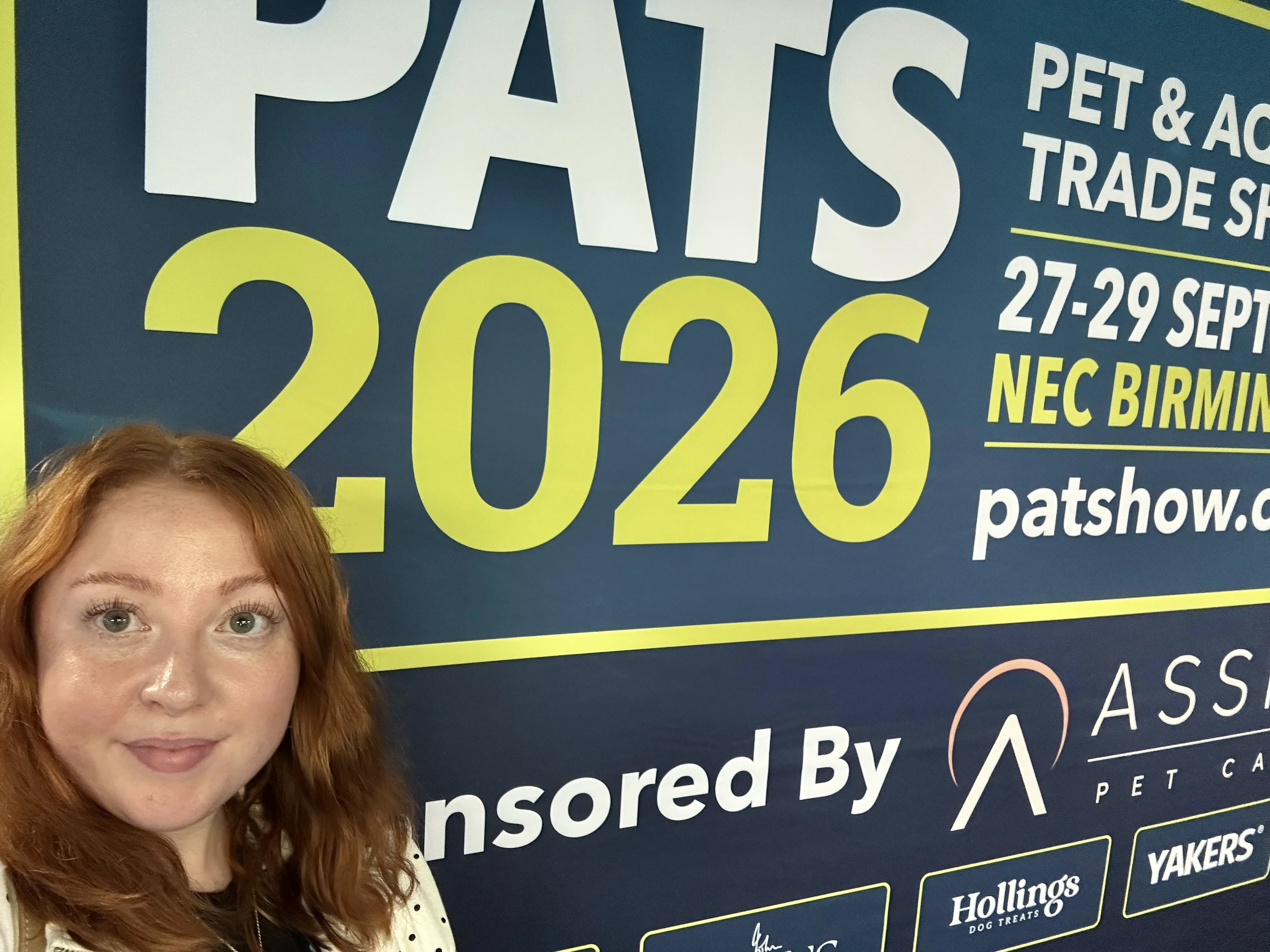
Walking into a niche industry event always offers a fresh perspective. In September, I spent the day exploring the floor at PATS (Pets & Aquatics Trade Show), fully expecting to spend my time taking notes on retail packaging design trends. Instead, I ended up getting a masterclass on how to handle my cat’s recurring UTI problems!
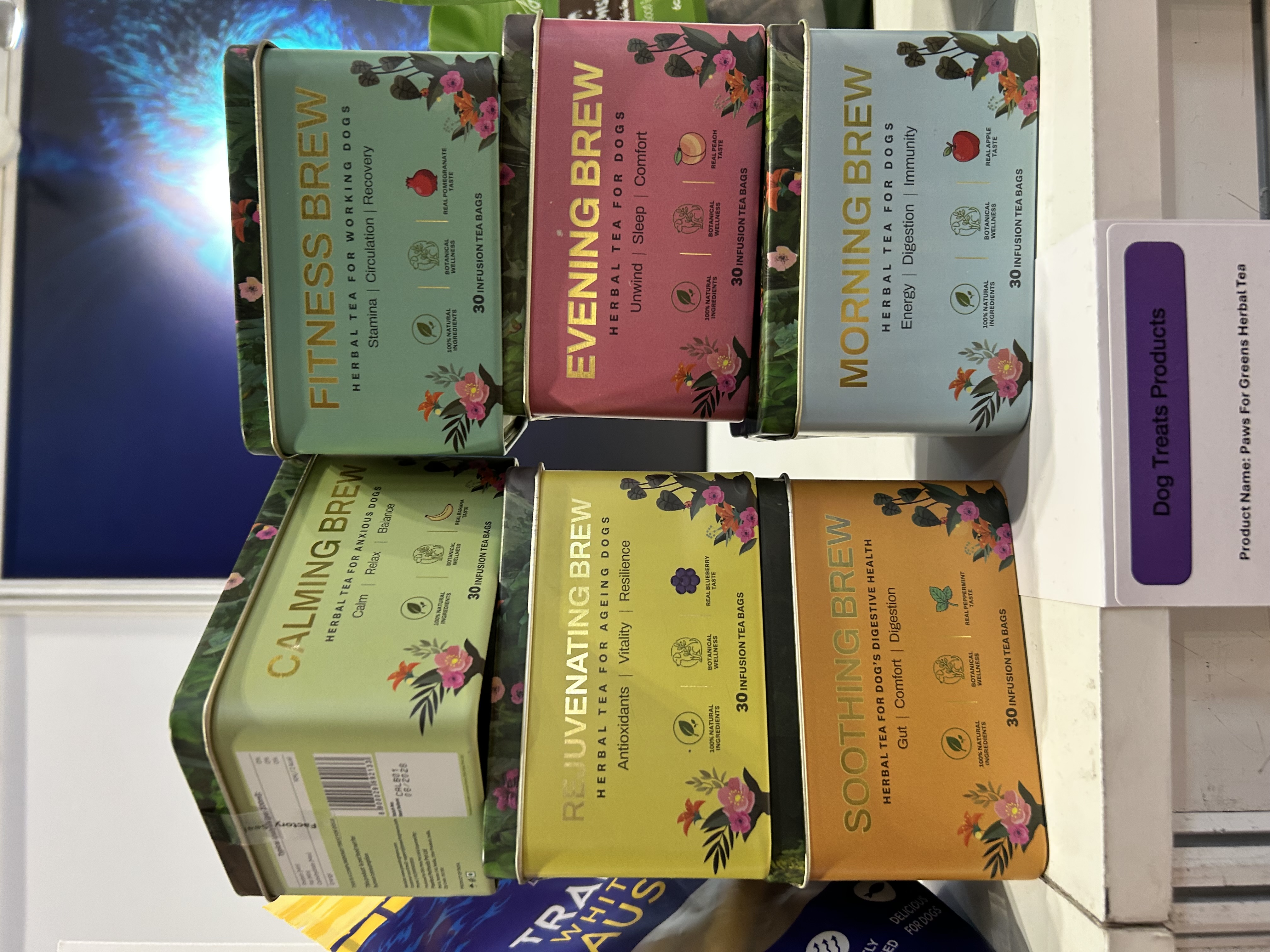
Veterinary advice aside, what struck me most was the pace of change across the sector. Pet brands are innovating at a breakneck speed, experimenting with unusual ingredients like lobster or ostrich and adopting packaging substrates that you would normally expect to see in high-end human FMCG.
The boundary between human foods and pet care has nearly vanished. Gone are the days when pet owners settled for bland, hidden-away products. Today, if a standard is good enough for our own dining tables, it becomes the baseline for our pets too. That shift is bringing a wave of functional teas, yoghurt sachets, frozen lollypops and protein bars straight into the pet aisle.
As an FMCG branding agency, Chilli helps brands capitalise on these seismic consumer shifts. When an entire product category goes through a massive premiumisation wave, packaging design suddenly has to work twice as hard to communicate quality and build trust.
Lessons in packaging innovation from the pet aisle
When brands start borrowing heavy visual cues from human categories, the biggest challenge is maintaining clear communication. How do you signal high-end ingredients without confusing the shopper about what the product actually is?
This is where working as packaging design specialists, Chilli allows brands to balance category conventions with genuine shelf disruption. If your structural packaging mimics a human snack too closely, you risk confusing the shopper. If you play it too safe, you get lost in the noise.
Walking the aisles, three clear design strategies stood out:
Borrowing premium cues: Everything from subtle typography to soft-touch matte finishes borrowed heavily from artisan food brand design agency playbooks.
Ingredient honesty: Alternative proteins like ostrich and lobster were highlighted front-of-pack with bold graphics rather than hidden away in tiny text on the back.
Format crossover: Squeezable yoghurt sachets and functional drinks are moving into pet care rapidly, forcing brands to rethink their structural packaging choices.
The psychology of "paws-onalisation": Why humanisation works
From a brand strategy perspective, what we are seeing in the pet category is a masterclass in emotional branding. Consumers do not just buy pet food anymore; they buy peace of mind, lifestyle alignment and guilt reduction.
When a pet owner picks up a pack featuring superfoods or gut-health claims, the buying decision is driven by the exact same emotional triggers as their own grocery shop. This creates an incredible opportunity for brands to elevate their visual identity evolution and build deep brand loyalty.
However, emotional appeal must be backed up by structural clarity. If your packaging looks premium but fails to clearly communicate life stage, dietary benefits or feeding instructions within three seconds on a crowded shelf, the purchase journey breaks down. The most successful brands on the show floor were the ones pairing heartfelt storytelling with crystal-clear visual hierarchy.
Bringing human FMCG rigor to pet retail strategy
As the boundaries between human FMCG packaging design and pet care continue to dissolve, brands need a joined-up connected retail strategy to succeed long term. A brilliant pack design is only step one. It needs to translate seamlessly into impactful in-store activation and point of sale (POS) displays, perform on e-commerce screens, and hold up under real-world conditions.
Executing these ideas effectively requires attention to detail. Having a rigorous packaging quality control process ensures that the vibrant colors and premium finishes designed in the agency look identical when hundreds of SKUs land on retail shelves across the country.
Navigating the pitfalls: Authentic visual identity over easy shortcuts
While PATS showcased incredible category growth, it also highlighted a few areas where brands risk losing their way in the rush to market. Rapid innovation is exciting, but true brand building requires a thoughtful strategy rather than jumping on every trend.
Take the growing reliance on generative AI for imagery and pet photography across packaging. While fast and cost-effective, hyper-artificial visuals are becoming increasingly obvious to shoppers who value authenticity. Relying on obvious AI shortcuts can dilute brand equity and compromise your overall supermarket shelf standout when shoppers are looking for quality they can trust.
We also noticed a rise in unnecessary fragmentation, such as splitting pet food ranges strictly by gender without any real nutritional difference inside the bag. While segmentation can drive temporary trials, gimmicks often add confusion to an already overwhelming fixture.
Don’t let your brand get lost in the noise.
The pet category is evolving faster than ever, but capturing market share takes far more than borrowing human FMCG cues or relying on quick shortcuts. From balancing emotional appeal with clear on-pack communication to avoiding gimmicks and executing a joined-up connected retail strategy, success comes down to authentic, high-impact design that earns shopper trust.
Whether you are looking to refine your brand strategy, refresh your packaging, or ensure your range achieves true supermarket shelf standout, Chilli is here to help you navigate these shifts seamlessly. Get in touch with the team at Chilli today to chat about bringing real innovation and clarity to your next design project.