How will the 2027 Deposit Return Scheme impact FMCG Packaging Design?
Written by Georgia Taylor, Chilli's Senior Account Director for FMCG brands, with 13 years of marketing experience.
By October 2027, the UK drinks industry will undergo the most significant regulatory change in decades. The Deposit Return Scheme (DRS) is officially locked in. While it sounds like a purely logistical headache for supply chains, it represents a fundamental shift in both retail packaging design and consumer behaviour.
To prepare for the 2027 DRS, brands must redesign all single-use drinks labels to include mandatory barcodes and scheme logos. You must audit your packaging structure now, integrate clear behavioural nudges preventing consumers from crushing containers, and schedule print runs early to ensure full compliance.
For drinks brands, this is not just a compliance update. It is a massive structural and visual design challenge. Every label for every in-scope drink across the UK must be redesigned and reprinted between now and late 2027. If you have been delaying a brand estate refresh, now is the exact time to act.
Why is the UK Deposit Return Scheme happening now?
After years of delays, we finally have UK-wide alignment. England, Scotland, and Northern Ireland will operate under a single unified system. This means brands can use one common UK scheme logo and barcode across those three nations.
The primary complication is Wales. Wales intends to include glass in its scheme following a transitional period. For premium brands selling glass bottles nationally, particularly into the hospitality sector, this creates a logistical hurdle regarding whether to run separate Welsh SKUs or manage a complex hybrid labelling approach.
Retail Packaging Design: What are the visual and behavioural impacts of DRS?
Historically, mandatory regulatory marks have been an aesthetic nightmare for brand managers. They are awkward, bolted-on badges that eat up precious space. Come 2027, every single PET plastic and metal container will legally require an approved Exchange for Change DRS logo and a highly specific, scannable machine-readable identifier.
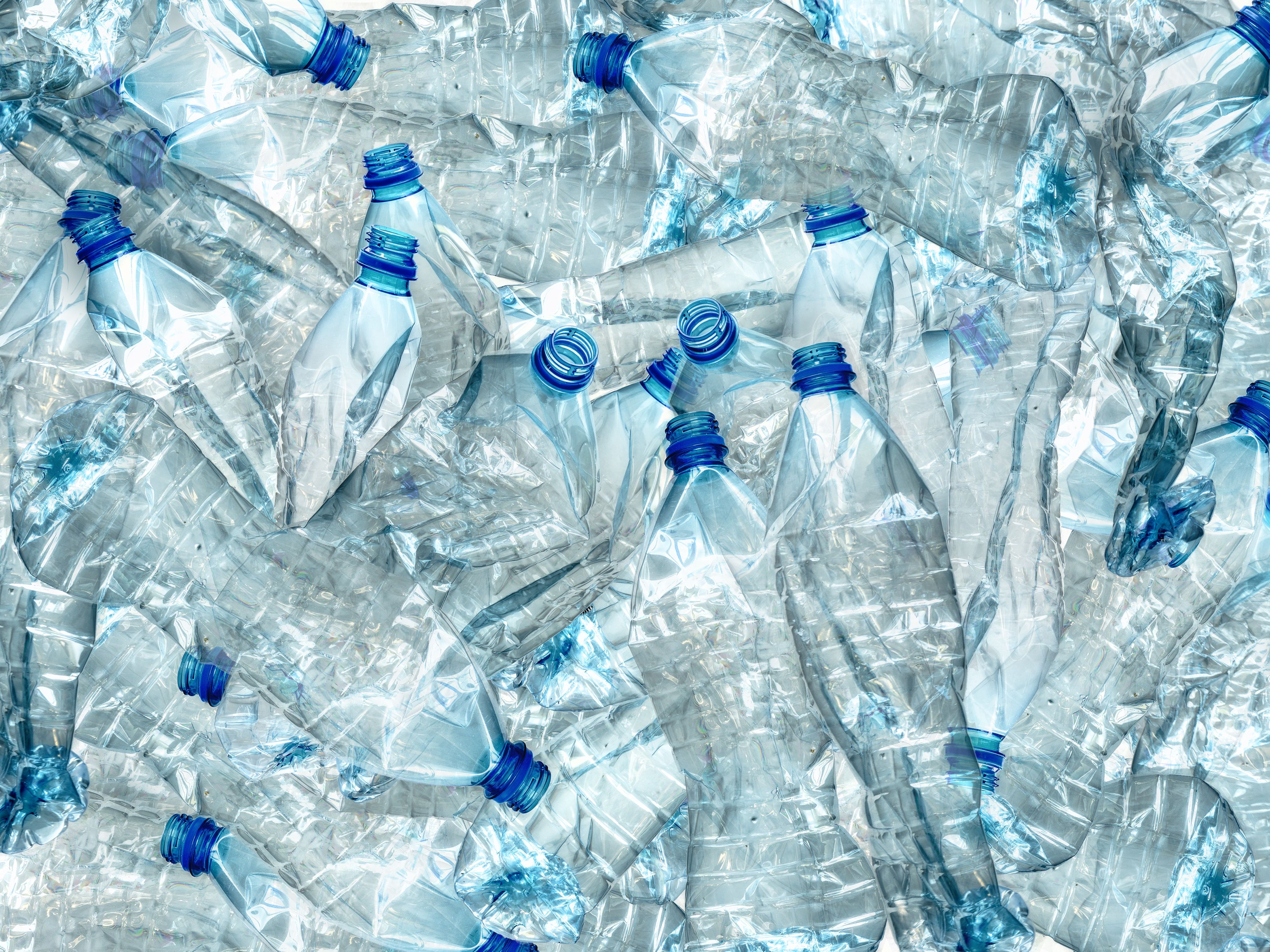
But the challenge extends far beyond visual identity evolution. It is heavily behavioural. For decades, we have trained consumers to crush plastic bottles and cans to save space in their home recycling bins. Under the DRS, if a bottle is crushed, the reverse vending machine cannot scan the barcode or verify the shape. If the machine cannot read it, the consumer loses their 20p deposit.
Brands urgently need clever, intuitive on-pack messaging to retrain consumer behaviour overnight. This requires a connected retail strategy that links the physical pack to the wider consumer journey.
Visual Identity Evolution: How can brands turn DRS compliance into an advantage?
As a specialist FMCG branding agency, Chilli knows how to protect your master brand from regulatory clutter. Through our drinks packaging projects with major names like Kopparberg and Harrogate Spring Water, we have proven that compliance updates do not have to ruin your aesthetic. Attempting to shoehorn new DRS barcodes and logos onto an outdated layout is a recipe for visual chaos.
Instead of treating this as a painful box to check, forward-thinking Chief Marketing Officers must view it as a clear opportunity. For any food brand design agency, including the packaging experts at Chilli, the goal is clear. Here is how to take ownership of the situation.
1. Win the moment of truth with clever behavioural nudges
An agency's job is not simply to drop a logo onto a file. It is to design the complete consumer experience. At the moment of truth, when the consumer has finished their drink, your packaging must politely but clearly instruct them. Cues like "Return Intact for 20p" need to be obvious. The brands that win will integrate this messaging seamlessly, turning a rigid instruction into a natural extension of their tone of voice.
2. Use food and beverage branding to tell a circular economy story
Instead of just slapping a barcode on the back of your can, use the DRS as a marketing tool to champion your circular economy credentials. Strategic food and beverage branding should always tell a story. Your label should clearly tell the consumer that returning the bottle helps create a new one. You reclaim the narrative by making the customer an active participant in your sustainability journey.
3. Consolidate costs with a full brand estate refresh
Changing printing plates, updating design files, and gaining internal stakeholder sign-offs are costly and time-consuming exercises. Running a rigorous packaging quality control process for a technical update now, and doing it all again later for a visual update, is a total waste of resources.
Because you will be paying producer fees per container, this is the perfect time to audit your structural packaging.
Can you lightweight your PET plastic? Can you simplify your caps?
Combining a structural audit with your DRS update allows you to maximise your budget while retaining superior supermarket shelf standout.
The countdown to 2027 has started
The countdown to October 2027 is on. Producer registration opens in 2026, meaning your in-store activation and point of sale (POS) planning needs to start immediately.
Do not let your brand get caught scrambling to patch a mandatory logo onto an old design at the eleventh hour. Embrace the transition. Let us use this regulatory shift to rethink your visual hierarchy and turn your packs into proud champions of the circular economy.
If you are looking for packaging design specialists to guide you through this transition, reach out. The team at Chilli, FMCG packaging design leaders, are ready to help you design for the future beautifully.
Contact our team to discuss your DRS packaging strategy.